What is a Database?
A database is an organized collection of data stored electronically. It helps businesses store, manage, retrieve, and protect information in a structured and reliable way.


A database is an organized collection of data that is stored and managed electronically. It allows users, applications, and organizations to store information in a structured way so it can be accessed, updated, searched, and managed easily. In simple words, a database is like a digital storage system where important business information is kept safely and systematically.
In real-world business systems, databases are used everywhere. Companies use databases to store employee records, customer details, product information, invoices, payments, attendance, payroll, stock movement, orders, and financial transactions. Without a database, managing large amounts of information would become difficult, slow, and unreliable, especially when multiple users need to access the same information at the same time.
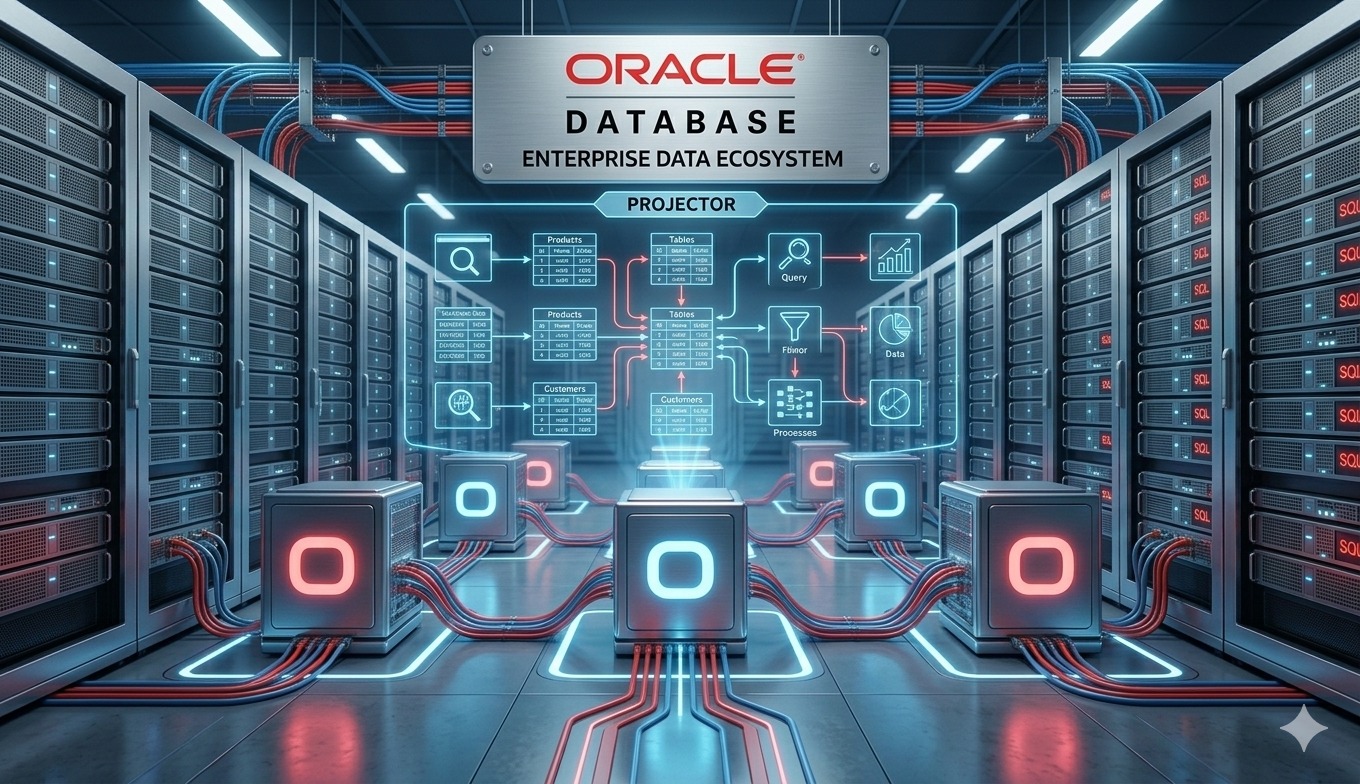
A database helps keep data organized by storing it in tables. These tables contain rows and columns, similar to a spreadsheet, but databases are much more powerful than spreadsheets. A table can store thousands or even millions of records, and SQL can be used to retrieve only the required information within seconds. This makes databases extremely useful for enterprise applications and reporting systems.
Common examples of data stored in a database include:
- Employee names, departments, salaries, and joining dates
- Customer profiles, contact details, and order history
- Product information, stock quantity, and pricing
- Invoices, payments, and financial records
- User accounts, roles, and system permissions
Oracle Database is one of the most widely used relational database systems in enterprise environments. It is designed to manage large amounts of data securely and efficiently. Many organizations use Oracle Database as the backend for business applications such as HRMS, ERP, finance systems, healthcare platforms, banking systems, inventory systems, and reporting dashboards.
The main purpose of a database is not only to store data but also to make data useful. A well-designed database allows businesses to generate reports, analyze performance, track operations, monitor transactions, and make better decisions. For example, an HR department can use a database to check employee attendance, a finance department can review payment records, and a sales team can analyze customer orders.
Key benefits of using a database include:
- Better data organization and structure
- Fast searching and data retrieval
- Improved data security and access control
- Reduced duplicate and inconsistent data
- Reliable reporting and business analysis
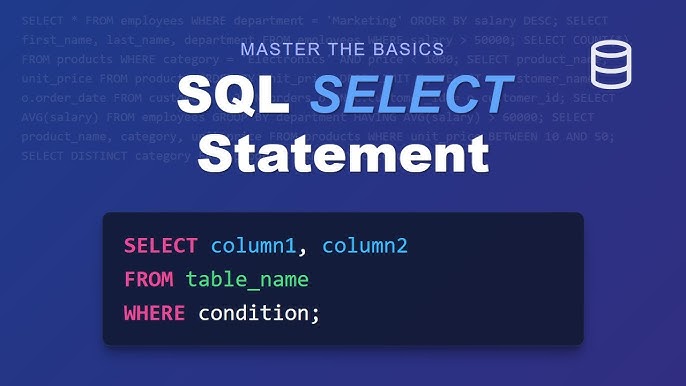
Understanding what a database is forms the foundation for learning Oracle SQL. SQL is the language used to communicate with the database and perform operations on stored data. Once the concept of a database is clear, it becomes easier to understand tables, rows, columns, queries, filtering, sorting, joins, and reporting. A strong understanding of databases is the first step toward building real-world database and enterprise application skills.